From the Studio Floor
(the title of this newsletter is going to change, and I'm going to write differently)

I lie about what kind of writer I am. I do it all the time. I lie to students, to colleagues and especially to myself.
Back in January, I read Simon Groth’s post about starting a new project, and he starts by describing his approach to the blank page stage of a project, to thinking about what a work will become. Simon remarks:
The books I tend to make are strange creatures…
And I agree, and find myself nodding. I make strange creatures too, and spend far too much time trying to classify them, conjure their taxonomy, than is always useful. But, I what does that ultimately mean? How useful is it, when you’re starting out on something. Simon describes himself as a narrative artist, and honestly, I feel a sense of kinship with that positioning.
This week I’ve been running a kickstarter, and perversely enjoying the ‘failing in public’ aspect of this. We’re in for the long haul, and have 35 or so days left to go, but it’s a struggle, and that’s hard to deal with on a daily basis. Not to mention the spam pledges, invitations to spend thousands on marketing and fear that we’re alienating our core audience by constantly reminding them of the thing in the first place.
If that includes you, then apologies. This isn’t easy.
But back to Simon’s essay, and why that’s lodged in my head.
As an antidote to the campaign, I’ve been spending time in the studio and revisiting something I’ve been working on, on and off, for over fourteen years (I can date it by how old my eldest daughter is. I started it late at night shushing her to sleep, and it’s lived with me ever since). It’s 100% book, and won’t have any immersive elements, and has been variously; a mapped out plan for 13 interconnected artists books; a Tumblr narrative; an attempt at a novella and is now, possibly, going to start to exist. And I’ve approached it in much the same way as Simon describes his ethos there. Each time it’s been ‘designed’ for a different medium, or form, it’s changed.
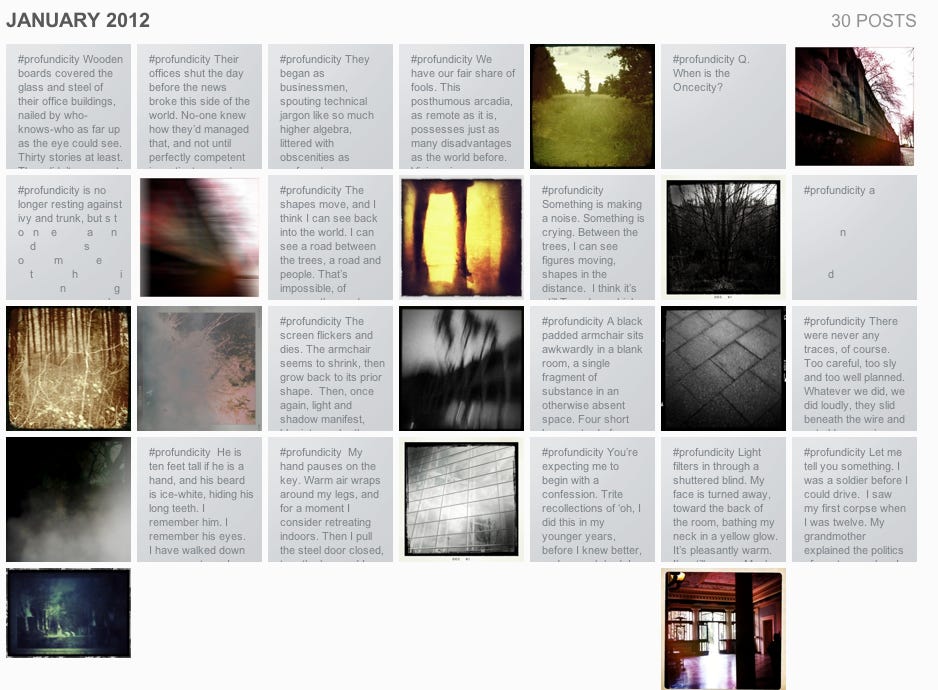
It has bent toward each medium, and tried to find itself within it, whilst still remaining true to what it started life as. It’s about a city, and in that city is a woman who is not who she thinks she is, and is being hunted because of who part of her used to be.
(I don’t think I’ve ever written that down in public before, by the way)
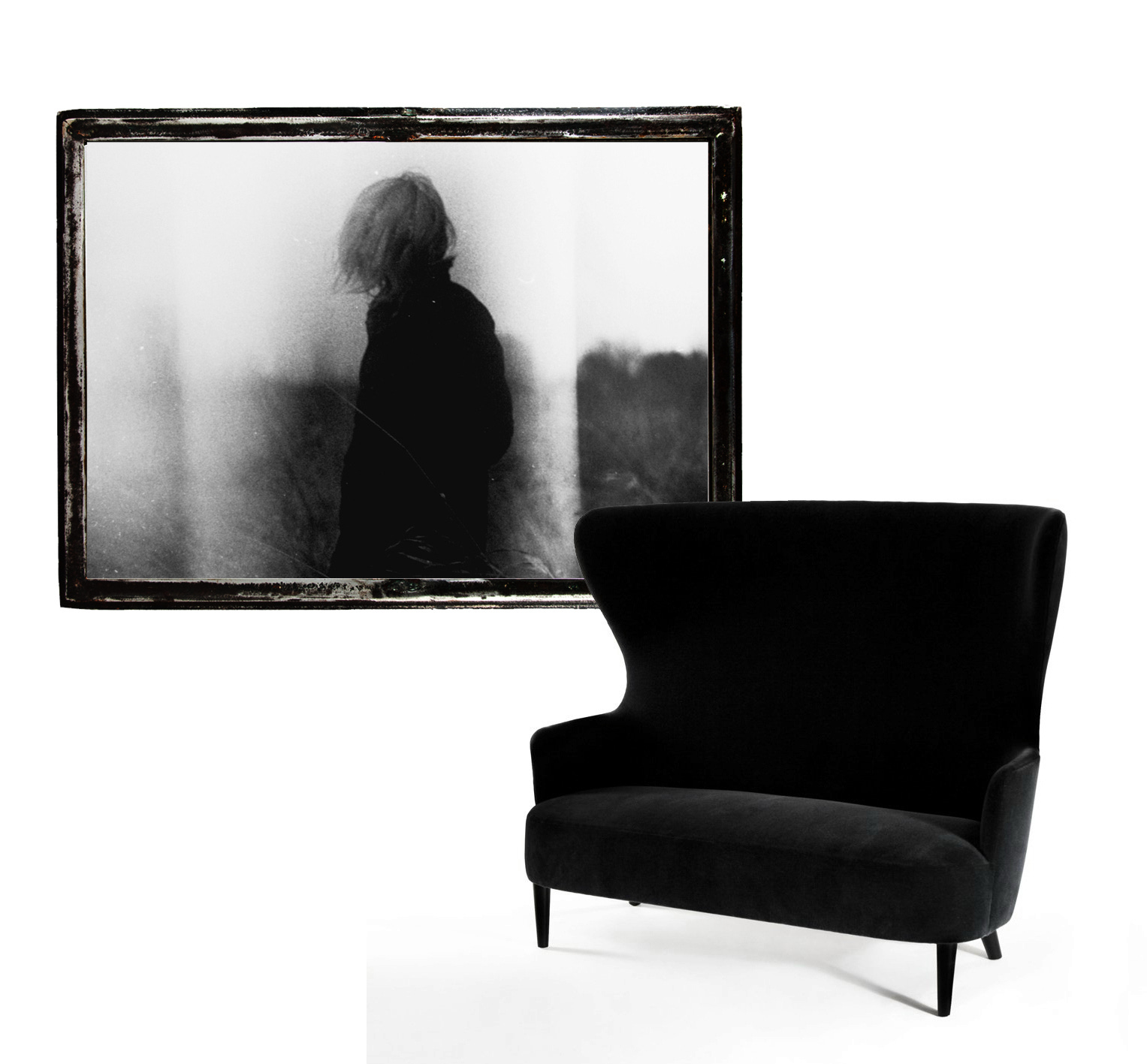
This time around, when I went back to an inDesign file that is (I think, right now) largely going to escape unscathed from the culling round, it was in light of those concerns about the relationship of each element to the other. What would a 100 page A5-ish book have to say to a hand printed and bound 24 page object? What sits in the space between them? How do I direct a reader to the tissue that connects both, without this turning into a wall of crazy*? What tone of voice is each written in? How do they get to be cousins, or siblings in a larger family? If I use paper frames within a collage, does that signal to a reader that this is adjacent to comics? Paper weight, the specifics of print, and binding are intertwined here too, but can, and will follow those fundamental questions.
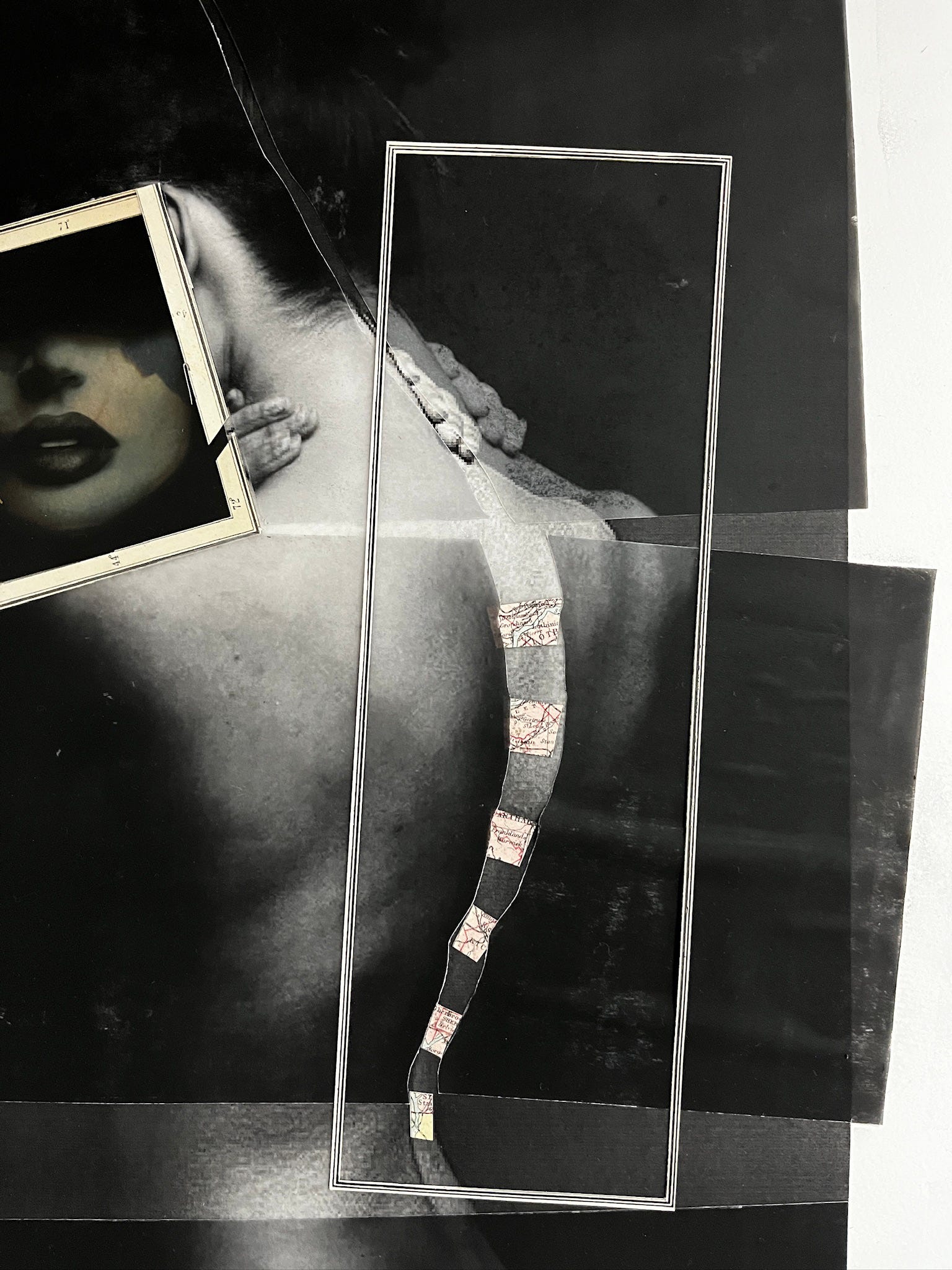
They’re strange creatures, and they don’t get any less so as time goes on.
The lie though, is that I plan things. I used the phrase ‘mechanical writer’ to describe what I do, and explained it as a tendency to feel safest when planning was thorough, and post-it notes, small cards, plans, maps and diagrams abounded. I was stunned by Alan Moores diagram for Big Numbers at an impressionable age, and probably never got over it.
I do plan things. But those plans are designed to change, and to evolve as they emerge. It’s as much intuition as it is mechanics. What that strange creature looks like when it’s finished and out in the world is usually pretty far from the first sketches, and the first ideas committed to paper.
Back to it. Enjoy your week, whatever it throws at you.
I’m going to design a book.
*I had to google that. You’re welcome.